
Catfish Fishing 101

Updated: Jul 26
Catfish are among the most popular freshwater game fish in North America. Their size, strength, and willingness to bite make them a favorite target for anglers of all skill levels. Yet, catching catfish consistently requires more than just luck. It demands understanding their behavior, choosing the right gear, and using effective techniques. This guide shares essential tips and strategies that will help you improve your catfish fishing success.
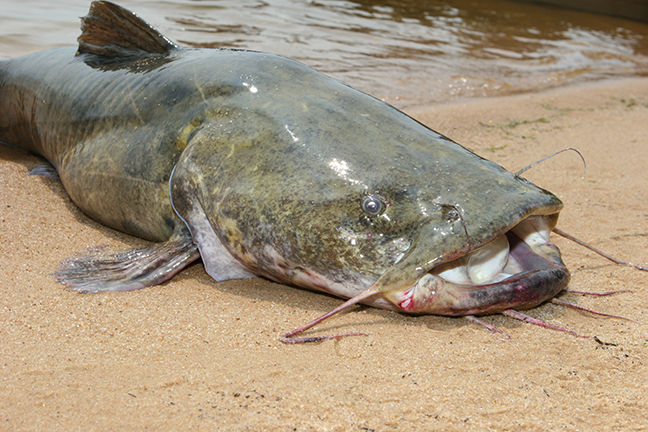
Understanding Catfish Behavior
Catfish are bottom dwellers that prefer slow-moving or still waters such as lakes, ponds, and rivers with deep holes or submerged structures. They are mostly nocturnal feeders, becoming more active at dusk and during the night. Knowing when and where catfish feed is key to planning your fishing trip.
Habitat preferences: Catfish often gather near underwater ledges, fallen trees, rock piles, and deep holes where they can find shelter and food.
Feeding habits: They rely heavily on their sense of smell and taste, using their barbels (whisker-like organs) to detect food in murky water.
Seasonal patterns: In warmer months, catfish move to shallow waters to feed and spawn. During colder months, they retreat to deeper, warmer areas.
Choosing the Right Equipment
Selecting the proper gear can make a big difference in your catfish fishing experience. Catfish vary in size, so your equipment should match the species you target.
Rod and reel: Use a medium to heavy-action rod, about 7 to 9 feet long, paired with a sturdy spinning or baitcasting reel. This setup provides enough strength to handle large catfish.
Line: A braided or monofilament line with a test strength of 15 to 30 pounds works well for most catfish species.
Hooks: Circle hooks sized between 2/0 and 5/0 are ideal. Circle hooks increase hook-up rates and reduce injury to the fish.
Sinkers and weights: Use egg sinkers or slip sinkers to keep your bait near the bottom without spooking the fish.
Effective Bait Choices
Catfish are opportunistic feeders and will eat a wide variety of baits. The best bait depends on the species and local availability.
Live bait: Shad, minnows, and nightcrawlers are excellent choices. Live bait’s movement attracts catfish effectively.
Cut bait: Pieces of fresh fish like shad or herring release strong scents that draw catfish from a distance.
Prepared baits: Commercial stink baits, dip baits, and dough baits are popular for channel catfish and flatheads.
Natural baits: Crawfish, shrimp, and chicken liver are also highly effective, especially in rivers and lakes.
Setting Up Your Rig
A well-constructed rig ensures your bait stays in place and your line remains sensitive to bites.
Slip sinker rig: This rig allows the catfish to take the bait without feeling the weight. Thread the line through the sinker, add a swivel, then tie on a leader with a hook.
Carolina rig: Use this for fishing in heavy cover. It has a sliding sinker, bead, swivel, and leader with a hook, allowing the bait to move freely.
Float rig: Attach a bobber or float to keep your bait suspended above the bottom, useful in areas with heavy debris.
Techniques for Catfish Fishing
Different fishing techniques work better depending on the environment and catfish species.
Bottom fishing: The most common method. Cast your bait near structures or deep holes and wait for a bite. Keep your line tight and watch for subtle movements.
Drift fishing: Let your bait drift naturally with the current in rivers. This covers more water and can attract catfish searching for food.
Jug fishing: Use floating devices with baited lines attached. This passive method works well in lakes and slow rivers.
Trotline fishing: Set multiple baited hooks on a long line anchored at both ends. This technique is effective for catching large numbers of catfish but requires permits in some areas.
Reading the Water and Weather
Catfish activity changes with water conditions and weather patterns.
Water temperature: Catfish prefer water between 70°F and 85°F. They become less active in colder water.
Water clarity: Murky or stained water helps catfish hunt using their barbels. Fishing after rain or during overcast days can improve your chances.
Time of day: Early morning, late evening, and nighttime are prime times for catfish feeding.
Barometric pressure: Catfish tend to feed more actively when the pressure is steady or falling.
Safety and Conservation Tips
Fishing responsibly ensures catfish populations remain healthy for future anglers.
Handle fish carefully: Use wet hands or gloves to protect the fish’s slime coat.
Use circle hooks: They reduce deep hooking and increase survival rates after release.
Follow local regulations: Check size limits, catch limits, and seasonal restrictions.
Practice catch and release: Release undersized or unwanted fish promptly.
Final Thoughts on Catfish Fishing Success
Success in catfish fishing comes from combining knowledge, preparation, and patience. Understanding where catfish live, what they eat, and how they behave allows you to choose the right gear and techniques. Experiment with different baits and rigs until you find what works best in your fishing spot. Remember, the best fishing trips are those where you learn and enjoy the experience, regardless of the catch.
Get out on the water equipped with these essential techniques, and you will increase your chances of landing a trophy catfish. Happy fishing!


Comments